

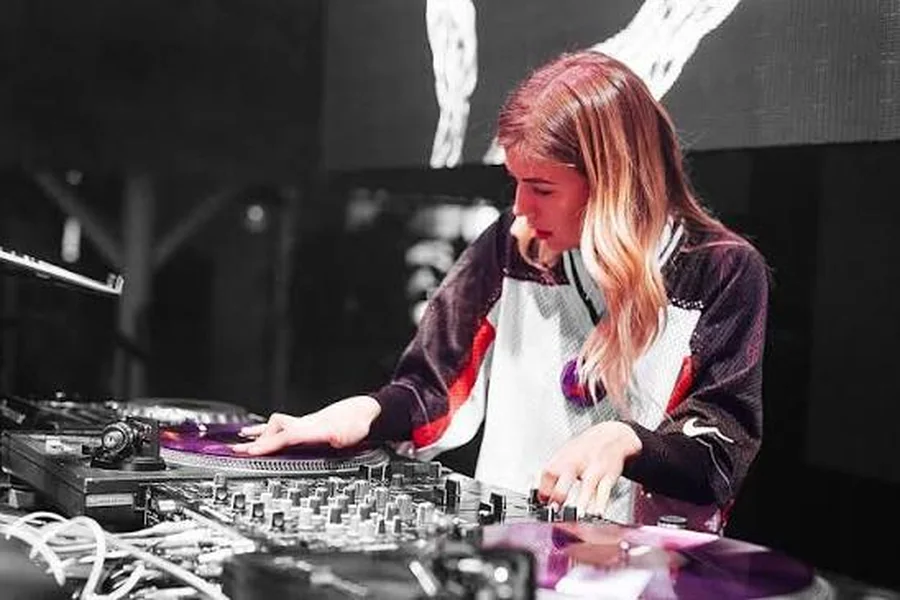
Music can turn a local talent into an international name. In Australia the DJ scene has grown into an important part of nightlife and modern entertainment. DJs perform at clubs festivals private events and large music gatherings. Social media has also changed how audiences discover new performers.
The phrase Theboringmagazine Paris Lawrence Australian Dj appears to connect Paris Lawrence with Australia’s DJ and entertainment scene. Readers searching this phrase may want to learn more about Paris Lawrence and the role of DJ culture in Australia.
For many DJs the journey does not begin with a major festival stage. It often starts with a love for music and an interest in creating a particular atmosphere. Over time a DJ can develop a recognizable sound and build a following through performances and digital platforms.
Australia provides an interesting environment for DJs because its cities have active nightlife and entertainment communities. Sydney Melbourne Brisbane Perth and other cities have their own music scenes. Local DJs can perform across different venues and gradually build professional networks.
This article looks at the topic from a broad perspective. It discusses Paris Lawrence in relation to the Australian DJ scene and explains why DJ culture continues to attract audiences. It also looks at performance style music discovery social media and the questions readers may have about an Australian DJ career.
Who Is Paris Lawrence the Australian DJ?
Paris Lawrence is associated with the Australian DJ scene and the broader world of music entertainment. People searching for Paris Lawrence may be interested in learning about the person behind the DJ name and understanding their connection to Australia’s music culture.
A DJ’s public identity is often built through a combination of music performances online content and appearances at events. Unlike traditional musicians who may release albums or singles as their main form of promotion DJs can build recognition through live sets and audience experiences.
The modern DJ is also more than someone who plays recorded tracks. DJs often think carefully about song selection timing transitions and crowd response. A successful set can feel like a continuous musical journey.
For an Australian DJ the local environment can also influence musical preferences. Australia has audiences with diverse tastes. Electronic music house techno hip-hop pop and other genres can all be part of the wider nightlife environment.
Paris Lawrence’s association with this environment makes the topic interesting for readers who follow Australian entertainment. It also shows how DJ culture can provide opportunities for performers who develop their own identity.
It is important to separate confirmed personal information from assumptions. Online searches sometimes produce limited or conflicting information about emerging entertainers. Readers should therefore rely on reliable sources when looking for specific biographical details.
The Australian DJ and Music Scene
Australia has a strong reputation for live entertainment and music festivals. Its major cities provide opportunities for DJs to perform in clubs bars festivals and private events.
Sydney has a long history of nightlife and electronic music. Melbourne is also known for its strong music culture and large number of live entertainment venues. Brisbane Adelaide and Perth have active local scenes as well.
The country’s geographic size creates an interesting challenge for performers. Traveling between cities can require significant planning. A DJ who performs regularly may need to manage transportation equipment schedules and event arrangements.
Festivals have also become important opportunities for DJs. Large events can introduce performers to new audiences. A strong festival performance may help a DJ gain followers and attract future bookings.
Local venues are equally important. Many performers develop their skills by playing smaller events before moving toward larger stages. These early performances help DJs learn how to read a crowd and adapt their sets.
The Australian scene also benefits from international influences. Music trends from Europe North America and other regions reach Australian listeners quickly through streaming services and social media.
This creates an environment where DJs can experiment with different styles while still maintaining a connection to local audiences.
What Makes a DJ Performance Stand Out?
A DJ performance is not simply a collection of songs. The performer needs to understand how those songs work together.
One of the most important skills is music selection. A DJ must choose tracks that fit the mood of the event. A club audience may want something energetic while a private gathering may require a more relaxed atmosphere.
Transitions are also important. Smooth transitions can make several tracks feel like one continuous performance. Timing matters because an awkward transition can interrupt the energy of the room.
Reading the crowd is another valuable skill. Experienced DJs pay attention to how people react. If the audience becomes more energetic the DJ may continue in that direction. If the energy drops the music selection may need to change.
Personality also matters. Some DJs create a strong visual identity through clothing branding lighting or stage presentation. Others focus primarily on musical performance.
A memorable DJ often develops a recognizable style. This does not necessarily mean playing one genre all the time. It can mean creating a particular atmosphere that audiences associate with the performer.
For someone such as Paris Lawrence the development of an individual identity can be an important part of building recognition in a competitive entertainment industry.
Music Style and Audience Connection
Every DJ needs to understand their audience. Music taste can vary dramatically depending on location age event type and cultural background.
Some audiences prefer house music with steady rhythms. Others may enjoy electronic dance music hip-hop pop remixes or a mixture of styles.
A DJ does not always need to choose only one genre. Many modern performers combine different influences. The challenge is making those combinations feel natural.
Audience connection is especially important during live performances. People attend DJ events for an experience rather than simply listening to music through headphones.
The atmosphere of a venue can also influence the set. Lighting sound quality crowd size and event timing all play a role.
Social media has made audience connection even more important. A DJ can share clips from performances and give followers a preview of upcoming events. This can help turn occasional listeners into regular followers.
Short videos can also introduce a performer to people who have never attended one of their events. A memorable performance clip can travel widely when audiences share it.
For Australian DJs this digital connection can help overcome geographic limitations. A performer based in one city can reach listeners across the country and potentially around the world.
Paris Lawrence and the Digital Music Era
The internet has changed the way DJs build careers. In the past performers often depended heavily on local venues and word-of-mouth recommendations.
Today a DJ can use social media to showcase performances and communicate directly with fans.
Instagram TikTok YouTube and other platforms can help performers share short clips. Streaming platforms can also provide opportunities to publish mixes and original music when available.
This creates a more direct relationship between DJs and their audiences. A person can discover a DJ through a short video and then search for more performances.
Digital visibility can also help event organizers identify new talent. A DJ with a strong online presence may appear more established even when they are still developing their live career.
However digital success does not replace performance skills. A social media following can attract attention but live performance determines whether audiences want to return.
Consistency is therefore important. A DJ needs to maintain both online activity and real-world performance quality.
For a performer associated with the Australian scene digital platforms can also create opportunities beyond local venues. International listeners can discover Australian DJs without ever attending an Australian event.
Table: Important Parts of a DJ Career
| Career Area | Why It Matters |
|---|---|
| Music Selection | Helps create the right mood |
| Live Performance | Builds direct audience connection |
| Transitions | Keeps the set flowing smoothly |
| Stage Presence | Creates a memorable identity |
| Social Media | Helps reach new audiences |
| Networking | Creates opportunities for bookings |
| Branding | Makes the DJ easier to recognize |
| Consistency | Supports long-term audience growth |
| Event Experience | Builds professional credibility |
A DJ career involves more than simply standing behind a console. Music skills are important but so are communication branding networking and professional organization.
Performers who understand these different areas can create stronger long-term careers.
For emerging DJs the early stages can involve playing smaller events and experimenting with different musical styles. Each performance provides an opportunity to learn.
Over time those experiences can help shape a unique identity.
The Growth of Australian DJ Culture
Australian DJ culture has continued to evolve alongside changes in music technology. Digital DJ equipment has made it easier for performers to organize large music libraries and prepare sets.
Streaming has also changed music discovery. Listeners can hear new tracks from artists around the world within seconds.
This creates both opportunities and challenges for DJs.
The opportunity is obvious. There is more music available than ever before. A DJ can discover tracks from independent artists and different countries.
The challenge is standing out. Because audiences have access to enormous music libraries they may encounter thousands of performers.
This is where identity becomes important.
A DJ needs something that makes people remember them. It might be a particular sound a recognizable stage presence a strong social media personality or an ability to create unforgettable live experiences.
Australian music culture also benefits from a mixture of local and international influences. DJs can incorporate global trends while creating sets that appeal to Australian audiences.
Festivals and nightlife venues continue to provide spaces where these styles can develop.
For audiences this creates variety. People can experience different sounds and discover performers they may not have encountered through traditional music channels.
FAQs About Theboringmagazine Paris Lawrence Australian Dj
Who is Paris Lawrence?
Paris Lawrence is associated with the Australian DJ and entertainment scene. Readers interested in the name may be looking for information about the performer and their music-related activities.
Is Paris Lawrence an Australian DJ?
The phrase “Theboringmagazine Paris Lawrence Australian Dj” connects Paris Lawrence with the Australian DJ scene. Specific biographical claims should be confirmed through reliable current sources.
What does an Australian DJ do?
An Australian DJ can perform at clubs festivals private events and other entertainment venues. DJs select and mix music to create an atmosphere for their audience.
What music genres do Australian DJs play?
Australian DJs can work across many genres. These may include house electronic music techno hip-hop pop and other styles. A DJ’s genre depends on their personal style and audience.
How can DJs build an audience?
DJs can build audiences through live performances social media music releases networking and consistent interaction with listeners.
Why is social media important for DJs?
Social media allows DJs to share performance clips announce events and communicate with followers. It can also help new audiences discover a performer.
Do DJs need to produce their own music?
Not necessarily. DJs can build careers through live performances and music selection. Producing original music can provide another way to develop recognition but it is not the only path.
What makes a DJ successful?
Music knowledge crowd awareness technical ability professionalism and audience connection can all contribute to success. Strong branding and networking can also help.
Where do Australian DJs perform?
Australian DJs may perform in clubs bars festivals private events concerts and other entertainment venues. Opportunities vary by location and experience.
Can an Australian DJ gain international followers?
Yes. Social media and digital music platforms allow performers to reach audiences outside Australia. A strong online presence can introduce a local DJ to international listeners.
Why are DJ performances different from ordinary playlists?
A DJ can adjust music selection and timing based on the audience. The performer creates a continuous experience rather than simply playing a fixed playlist.
What role do festivals play in a DJ career?
Festivals can provide exposure to large audiences. They can also help performers meet other artists event organizers and people working in the music industry.
How important is branding for a DJ?
Branding can help an artist become recognizable. A consistent name visual identity music style and online presence can make it easier for audiences to remember a performer.
Final Thought
Theboringmagazine Paris Lawrence Australian Dj is a topic that connects an individual name with the wider world of Australian DJ culture. The Australian music scene offers many opportunities for performers to develop their skills and connect with audiences.
Modern DJs have more tools than ever before. Digital equipment makes music preparation easier while social media allows performers to reach audiences far beyond their local city.
However technology alone does not create a successful DJ. Music selection crowd awareness performance ability and personality remain important. The strongest performers understand how to combine these elements into a memorable experience.
For an Australian DJ the journey can begin at a small local event and gradually grow through experience. Festivals venues networking and online platforms can all contribute to a developing career.
Paris Lawrence’s association with this subject highlights the broader interest in Australian DJs and the evolving entertainment landscape. As music discovery continues moving online the connection between live performance and digital audiences will become even more important.
For readers interested in Australian music the DJ scene offers plenty to follow. New performers continue to emerge while established artists find new ways to connect with listeners. That combination of local culture and global technology keeps the Australian DJ world active and constantly changing.
